
Westchester County · New York
Testosterone Replacement Therapy in Westchester County, NY
Protocol Health is a physician-led clinic in Scarsdale that diagnoses and treats low testosterone for men across Westchester County. Our providers confirm low T with morning blood tests before prescribing anything, offer testosterone replacement therapy (TRT) and fertility-preserving alternatives, and monitor treatment with regular labs — at 700 White Plains Road or by telehealth anywhere in New York.
Medically reviewed by Richard Dentico, MD · Updated September 28, 2026
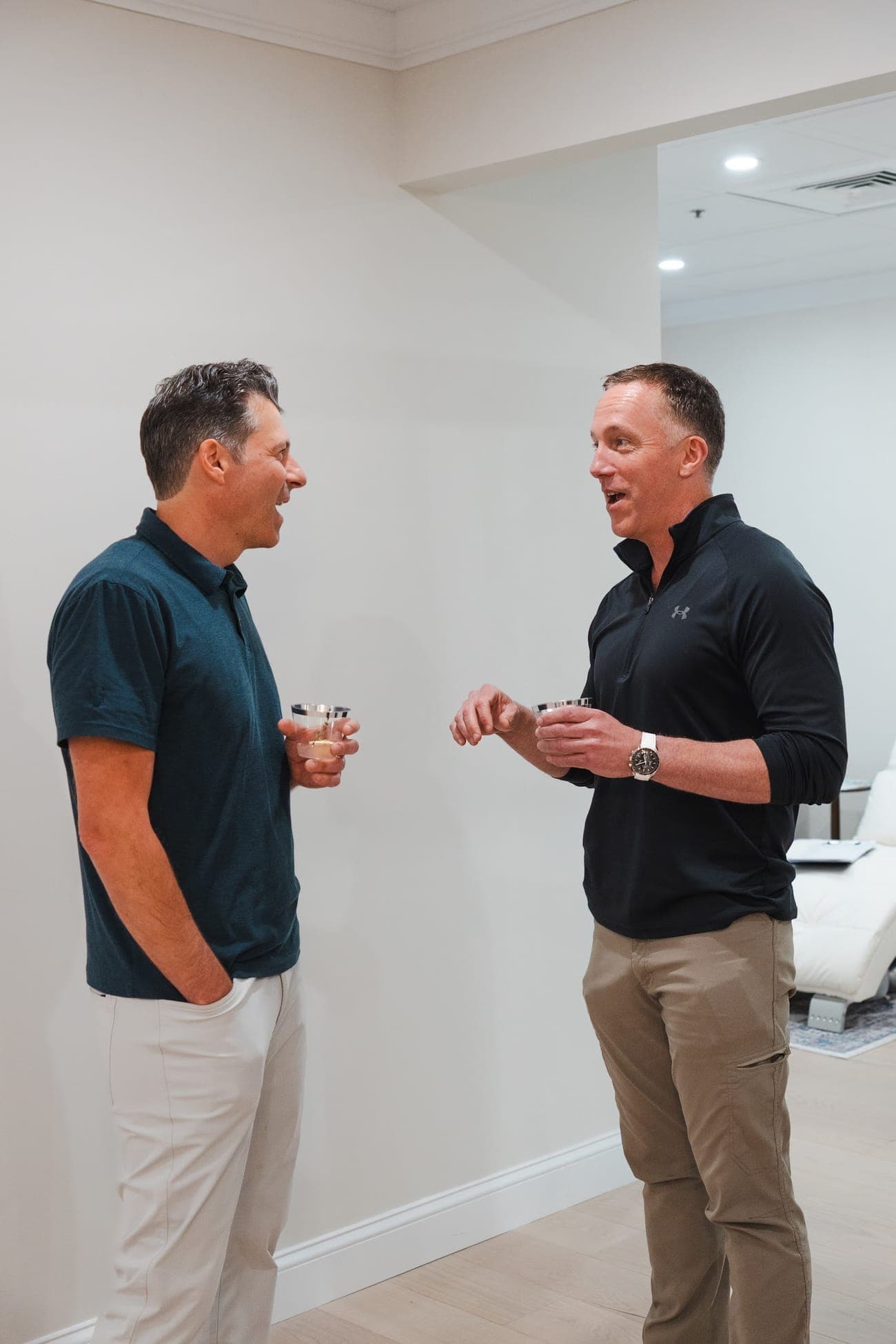
Testosterone replacement therapy in Westchester, in brief
Testosterone replacement therapy (TRT) restores testosterone in men whose bodies no longer make enough of it — a condition doctors call hypogonadism and most people call low T. At Protocol Health in Scarsdale, TRT starts with a diagnosis, not a prescription: symptoms plus consistently low morning blood tests.
Men come to our Scarsdale clinic from across Westchester County — White Plains, Yonkers, New Rochelle, Rye, Bedford, Peekskill and every town in between. Eligible patients anywhere in New York can also start and continue TRT by telehealth, with labs drawn near home.
The prescription is the easy part. The parts that decide whether TRT goes well are the diagnosis, the choice between testosterone and alternatives that protect fertility, and the monitoring that catches problems like a rising red blood cell count before they matter.
How low testosterone is diagnosed
Low T is diagnosed from two things together: symptoms and blood tests. Neither alone is enough. Fatigue, low libido, fewer morning erections, loss of muscle and low mood all have many causes, and a single low testosterone reading is often normal on a second draw.
The Endocrine Society's clinical practice guideline recommends diagnosing hypogonadism only in men with consistent symptoms and unequivocally low total testosterone confirmed on two separate early-morning fasting tests. Testosterone peaks in the morning and falls through the day, so an afternoon draw can make a normal level look low.
Protocol Health's male hormone performance panel goes further than total testosterone. It measures free testosterone and SHBG (which matter when total testosterone is borderline), LH and FSH (which show whether the problem starts in the testes or the pituitary), estradiol, hematocrit and PSA. That baseline shapes which treatment fits — and it is the reference point for every follow-up.
Fewer morning erections is one of the more specific signs; we explain why in what no morning wood can mean. For the full symptom list, see signs of low testosterone.
Low T treatment options: testosterone and the alternatives
TRT is not one treatment. Protocol Health providers in Westchester choose between testosterone itself and medications that make your own body produce more, depending on your labs, your goals and whether you plan to have children.
| Option | How it works | Effect on fertility | Form |
|---|---|---|---|
| Testosterone cypionate | Replaces testosterone directly | Suppresses sperm production | Injection, usually weekly or twice weekly |
| Testosterone gel or cream | Replaces testosterone through the skin | Suppresses sperm production | Daily topical |
| Enclomiphene | Signals the pituitary to raise LH and FSH, so the testes make more testosterone | Designed to preserve sperm production | Oral; compounded, not FDA-approved |
| hCG | Mimics LH to stimulate the testes directly | Supports sperm production | Injection, alone or with testosterone |
TRT and fertility: the question to ask first
Testosterone from outside the body tells the brain to stop sending LH and FSH, the signals that drive the testes. Sperm production falls, often to very low levels. The Endocrine Society guideline recommends against testosterone therapy in men planning fertility in the near term.
This is the most common thing men in Westchester are not told before starting TRT elsewhere. If children are in your plans — now or in the next few years — tell your provider at the first visit. Enclomiphene or hCG can raise testosterone while keeping the testes working, and the right choice depends on your LH and FSH results.
Sperm production usually recovers after stopping testosterone, but recovery can take many months and is not guaranteed. Planning ahead is simpler than reversing course.
Is TRT safe for the heart? What the TRAVERSE trial found
For years the main worry about TRT was the heart. The TRAVERSE trial, published in the NEJM in 2023, tested it directly: 5,246 men aged 45 to 80 with hypogonadism and existing heart disease or high cardiovascular risk, randomized to testosterone gel or placebo.
Testosterone was noninferior to placebo for major heart events — heart attack, stroke and cardiovascular death occurred in 7.0% of the testosterone group and 7.3% of the placebo group. That is reassuring for men with confirmed hypogonadism.
TRAVERSE also found higher rates of atrial fibrillation, acute kidney injury and pulmonary embolism in the testosterone group. Those findings are why TRT at Protocol Health comes with a cardiovascular history at the evaluation and ongoing monitoring, rather than a prescription and a refill button.
What TRT can and cannot do
In men with confirmed low testosterone, the evidence is strongest for sexual function. In the Testosterone Trials (NEJM 2016), a year of testosterone gel in older men with low T moderately improved sexual function and slightly improved mood, but did not significantly improve vitality or energy.
TRT also increases lean mass and reduces fat mass in men with low testosterone, and supports bone density. It is not a treatment for normal age-related tiredness in men whose testosterone is normal, and it does not replace sleep, training and nutrition — each of which moves testosterone on its own.
Monitoring TRT: hematocrit, PSA and estradiol
TRT is a long-term treatment, and monitoring is what keeps it safe. Following the Endocrine Society guideline, Protocol Health providers recheck labs a few months after starting or changing a dose, then at least yearly once stable.
Hematocrit. Testosterone stimulates red blood cell production. A hematocrit above 54% means the dose needs to be paused or reduced; a baseline above 50% needs evaluation before starting.
PSA and prostate. TRT is not started in men with prostate cancer, and a raised or rising PSA gets a urology evaluation first.
Estradiol and testosterone level. Some testosterone converts to estradiol. The target is a testosterone level in the mid-normal range — not the highest number a lab will print.
Sleep apnea and other conditions. Untreated severe obstructive sleep apnea, uncontrolled heart failure, and a heart attack or stroke in the past six months are reasons to hold TRT until they are addressed.
How TRT works at Protocol Health
1. Evaluation. A provider reviews your symptoms, history, medications and fertility plans, in person in Scarsdale or by telehealth.
2. Morning labs, twice. Testosterone and the full panel above, drawn early in the morning, repeated to confirm.
3. A plan that fits your labs. If you have hypogonadism, your provider recommends testosterone, enclomiphene, hCG or a combination, and explains the tradeoffs. If you do not, you hear that too — and what else may explain the symptoms.
4. Follow-up and monitoring. Labs and a check-in after starting, dose adjustments as needed, then regular monitoring for as long as you stay on treatment. See the Scarsdale TRT page for clinic details.
Testosterone replacement therapy across Westchester County
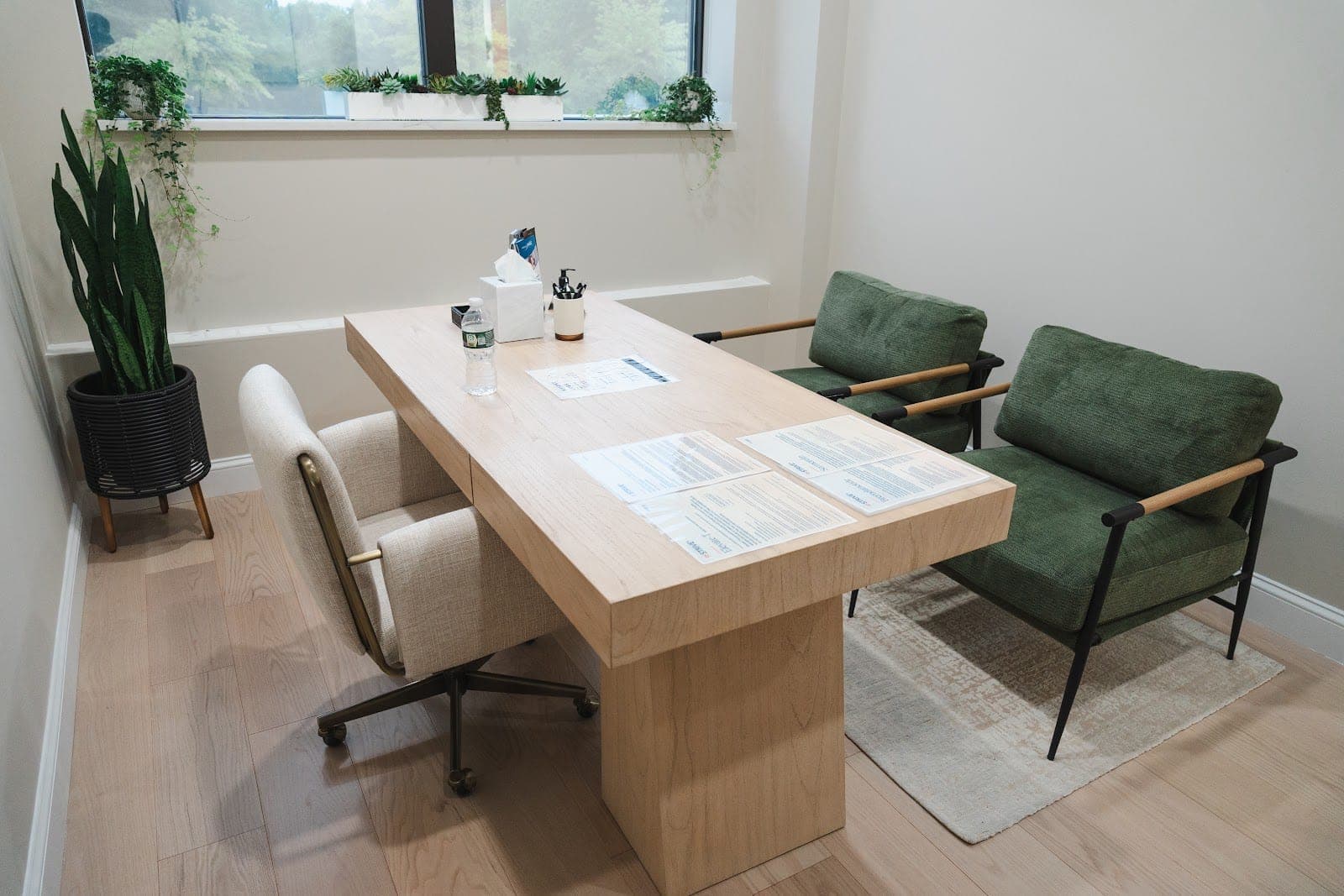
Protocol Health’s clinic at 700 White Plains Road in Scarsdale sits near the center of the county. Patients come from every town below, and eligible patients can continue care by telehealth. Each town has its own page with local details:
TRT in Westchester — frequently asked questions
- Where can I get testosterone replacement therapy in Westchester?
- Protocol Health's clinic is at 700 White Plains Road in Scarsdale, central to Westchester County. Our providers diagnose low testosterone and prescribe TRT after an evaluation and morning labs. Eligible patients anywhere in New York can also be treated by telehealth.
- How do I know if I have low T?
- Low T is diagnosed from symptoms plus consistently low total testosterone on two separate early-morning fasting blood tests, per the Endocrine Society guideline. A single low reading or symptoms alone are not enough.
- Does TRT affect fertility?
- Yes. Testosterone therapy suppresses sperm production, often to very low levels. Men who want children in the near term are usually better served by enclomiphene or hCG, which raise testosterone while keeping the testes working.
- Is testosterone replacement therapy safe for the heart?
- In the 2023 TRAVERSE trial of 5,246 men at high cardiovascular risk, testosterone was noninferior to placebo for heart attack, stroke and cardiovascular death. It did show higher rates of atrial fibrillation, acute kidney injury and pulmonary embolism, which is why monitoring matters.
- What labs are monitored on TRT?
- Testosterone, hematocrit, PSA and estradiol are the core. Labs are rechecked a few months after starting or changing a dose, then at least yearly. A hematocrit above 54% means the dose is paused or reduced.
- Can I do TRT by telehealth from Westchester?
- Yes, if you are eligible. Many Westchester patients start with an in-person visit in Scarsdale and continue by telehealth, with labs drawn near home.
- Does insurance cover TRT?
- Coverage depends on your plan and on documented hypogonadism. Labs are often covered when ordered for symptoms; compounded medications and enclomiphene usually are not. Checking your benefits before starting avoids surprises.
Related
Important safety information
Testosterone therapy is not used in men with prostate or breast cancer, and a raised PSA needs urological evaluation first. It suppresses sperm production and can raise hematocrit and blood pressure. Testosterone gel can transfer to women and children through skin contact. Compounded medications, including enclomiphene, are not FDA-approved.
Start with a low T evaluation in Westchester
In person in Scarsdale or by telehealth — a provider confirms whether your testosterone is actually low, and tells you honestly whether TRT or an alternative fits.
Book a ConsultationEducational only. This page does not diagnose, prevent, treat or cure any condition, and is not a guarantee of results. Treatment suitability is determined by a licensed provider based on your individual evaluation. Individual results vary.