
Hematocrit Basics
What Is Hematocrit, and What Counts as High?
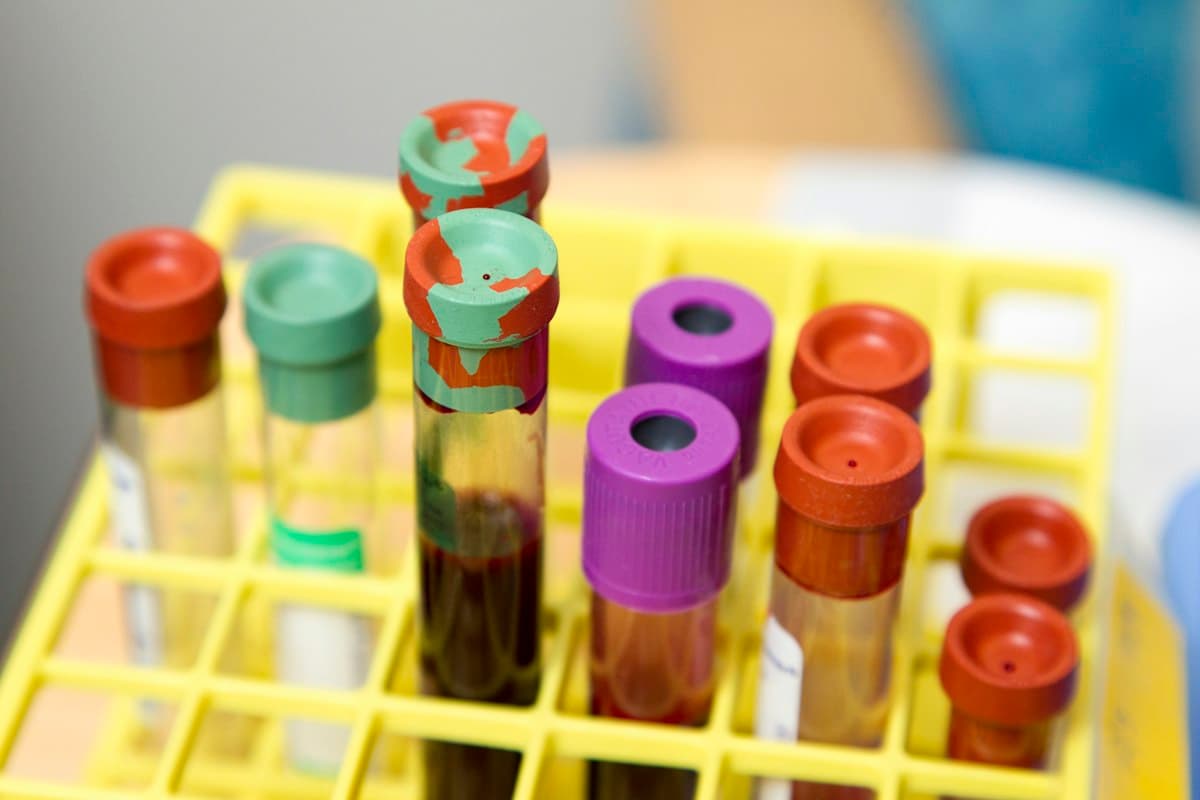
Hematocrit is the percentage of your blood volume that is made up of red blood cells. That definition matters for how to lower hematocrit, because the number can rise in two ways: the body makes more red cells, or the liquid part of the blood shrinks. The MedlinePlus hematocrit test page gives the example that a result of 42 means 42% of the blood is red cells. Lab reports abbreviate it as HCT and list it on a complete blood count next to hemoglobin. The two rise and fall together, so lowering HCT and lowering hemoglobin and hematocrit are the same problem with the same answers.
Normal hematocrit levels vary with sex, age, smoking and the altitude where you live, so the reference range printed on your own lab report is the right comparison. A hematocrit above that range is called erythrocytosis or polycythemia. Testosterone studies do not agree on one cutoff. A 2015 Baylor cohort defined erythrocytosis as a hematocrit above 50%, a 2022 database study used 52% or higher, and the Endocrine Society guideline acts at 54%.
Book a TRT consultationWhy TRT Raises It
Does TRT Thicken Blood? Why Testosterone Raises Hematocrit
TRT does thicken blood in one specific sense: testosterone tells the bone marrow to make more red blood cells, so hematocrit and hemoglobin rise. Erythrocytosis is described as a dose-limiting adverse effect of testosterone therapy in a dose-response study from Boston University, and a 2018 review in Sexual Medicine Reviews calls it the most common one.
The size of the effect is measured. A meta-analysis of 19 randomized, placebo-controlled trials found that middle-aged and older men treated with testosterone were nearly four times as likely as men on placebo to reach a hematocrit above 50% (odds ratio 3.69), and that a hematocrit increase was the most frequent adverse event. A later systematic review of 51 studies put the average rise in hematocrit at 3.18% and in hemoglobin at 0.80 g/dL.
The mechanism: erythropoietin and hepcidin
Testosterone raises hematocrit through two signals. In a six-month randomized trial of testosterone gel in older men, hemoglobin rose about 7% and hematocrit about 10%. In the first three months erythropoietin, the kidney hormone that drives red cell production, went up, and hepcidin, the hormone that restricts iron, went down. The authors proposed that testosterone resets the body's set point for red cells.
Dose and age change the response
The hematocrit response to testosterone is dose-dependent. In the Boston University study of 121 men given graded doses of injectable testosterone for 20 weeks, hemoglobin and hematocrit rose in a linear, dose-dependent way, and the rise was significantly greater in men aged 60 to 75 than in men aged 19 to 35.
Why a high hematocrit on TRT matters
A high hematocrit on TRT matters because thicker blood may raise the risk of clots. In a 2022 database study, 5,842 men who developed a hematocrit of 52% or higher on testosterone were matched to 5,842 men who did not. Major cardiovascular events or venous clots in the first year occurred in 5.15% of the first group and 3.87% of the second (odds ratio 1.35). The study was observational and cannot prove cause, and the Endocrine Society guideline states that the hematocrit level at which risk begins to rise is not known.
Thresholds
TRT High Hematocrit Thresholds in the Endocrine Society Guideline
The reference point for a high hematocrit on TRT in the United States is the Endocrine Society's 2018 clinical practice guideline. It sets three rules for TRT hematocrit monitoring.
- Before starting. A baseline hematocrit above 48%, or above 50% for men living at high altitude, is a relative contraindication. The guideline says these men should be evaluated further before testosterone is considered.
- During treatment. The guideline's schedule is hematocrit at baseline, at 3 to 6 months after starting, and then annually.
- Above 54%. The guideline says to stop therapy until hematocrit falls to a safe level, evaluate the patient for hypoxia and sleep apnea, and restart at a reduced dose.
Other professional societies use cutoffs between 52% and 55% to change or stop treatment, according to the 2018 Sexual Medicine Reviews article. A result between your lab's upper limit and 54% is a judgment call for your prescriber.
What Prescribers Change
How to Lower Hematocrit on TRT: What Prescribers Actually Change
How to lower hematocrit while on TRT is a prescribing decision, and it has three levers: the dose, the formulation and a pause in treatment. Each one is your prescriber's call. Do not change or stop testosterone on your own.
Lowering the dose
A lower dose is the guideline's stated step, because the red cell response rises with the dose. Injection frequency is a schedule question for the prescriber; the guideline's instruction is a reduced dose.
Changing the formulation
Formulation matters, though less than forum posts suggest. A network meta-analysis of 29 placebo-controlled randomized trials in 3,393 men found that every type of testosterone raised hematocrit compared with placebo.
| Testosterone formulation | Mean hematocrit rise vs placebo | 95% confidence interval |
|---|---|---|
| Skin patch | 1.4% | 0.2 to 2.6 |
| Injectable testosterone undecanoate (long-acting) | 1.6% | 0.3 to 3.0 |
| Gel | 3.0% | 1.8 to 4.3 |
| Injectable testosterone cypionate or enanthate | 4.0% | 2.9 to 5.1 |
| Oral testosterone undecanoate | 4.3% | 0.7 to 8.0 |
In that analysis, cypionate and enanthate injections raised hematocrit significantly more than the patch, and no other head-to-head difference was detected. Observational data point the same way. In the Baylor cohort of 178 men, a hematocrit above 50% occurred in 66.7% of men on injections, 35.1% on pellets and 12.8% on gels, although the injection group was younger and started with a higher hematocrit. A matched cohort of 78 men found hematocrit rose 4.4% on injections and 1.7% on pellets at 16 weeks and fell 0.8% on intranasal testosterone. The comparison of testosterone gel vs injections covers the wider trade-offs.
Pausing treatment
Stopping testosterone lowers hematocrit, but slowly. The 2018 Sexual Medicine Reviews article reports that hemoglobin and hematocrit return to baseline 3 to 12 months after discontinuation. A 2025 narrative review notes that stopping can bring back the symptoms that led to treatment, which is why prescribers try a lower dose or a different formulation where they can. Any change of plan should also account for family planning, covered in the guide to TRT and fertility.
Other Causes
How to Reduce Hematocrit by Treating Other Causes: Sleep Apnea, Smoking and Dehydration
How to reduce hematocrit is partly a question of what else is raising it. Testosterone is not the only cause of a high result, and the Endocrine Society guideline tells clinicians to evaluate for hypoxia and sleep apnea when hematocrit passes 54%.
- Obstructive sleep apnea. Low oxygen at night stimulates red cell production. A meta-analysis of sleep apnea and blood counts estimated that 2% of patients with sleep apnea had polycythemia, rising to 6% in severe sleep apnea, and that CPAP treatment lowered hematocrit by 1.1% in single-arm studies. Untreated severe sleep apnea is also one of the conditions in which the guideline recommends against starting testosterone.
- Smoking. Carbon monoxide from smoke reduces the oxygen that red cells deliver, and the body compensates with more of them. In a 1978 New England Journal of Medicine series, 22 smokers had a mean hematocrit of 54%, and red cell volume fell markedly in all five who sharply cut back.
- Dehydration. MedlinePlus lists dehydration as the most common cause of a high hematocrit, because less plasma makes the red cell percentage look larger. Prescribers often repeat a borderline test with normal hydration before acting.
Treating sleep apnea and stopping smoking are the two changes outside the prescription with human evidence for lowering red cell counts.
Phlebotomy and Donation
Does Donating Blood Lower Hematocrit? Therapeutic Phlebotomy and TRT Blood Donation
Donating blood does lower hematocrit for a time, because removing a unit of blood removes red cells. Whether it controls hematocrit in men on testosterone is a separate question, and the best data say it often does not.
Therapeutic phlebotomy is the medical version: a clinician orders the removal of one unit of blood, about 500 mL, at set intervals with blood counts in between. The Endocrine Society guideline calls it effective for testosterone-induced erythrocytosis. A 2024 review in Endocrine Connections is more cautious. It found that evidence for the efficacy or safety of phlebotomy in men on testosterone is lacking, and it notes that repeated phlebotomy lowers tissue oxygen and eventually depletes iron stores. The authors recommend shared decision-making before starting it.
TRT blood donation at a community blood center has been studied directly. Canadian Blood Services reviewed 39 donors on TRT over about two years. Hemoglobin was at or above 180 g/L, equivalent to a hematocrit of 54% or higher, at 25% of appointments, and 12 of 27 repeat donors (44%) stayed at that level at later donations. The authors concluded that repeat donation was insufficient to keep hematocrit under 54%, and warned that patients and clinicians may wrongly believe donation has removed the risk.
Phlebotomy is therefore a clinician's decision, made with your blood counts and iron status in view. It is not a self-directed plan, and donating blood does not replace adjusting the dose that drives the red cell count. If your hematocrit is high, ask your prescriber whether phlebotomy fits your case.
Food and Supplements
How to Lower Hematocrit Naturally: Foods, Supplements, Grapefruit and Aspirin
How to lower hematocrit naturally has a short evidence-based answer: stop smoking, treat sleep apnea and stay normally hydrated. The foods, supplements and pills promoted online have little or no human evidence in men on testosterone.
Foods that lower hematocrit: the grapefruit study
The claim about foods that lower hematocrit traces to one paper. In a 1988 study, 36 adults added half or one grapefruit a day to their diet for 42 days. Hematocrit fell in those who started highest and rose in those who started lowest. The abstract describes no control group, the study was not done in men on testosterone, and no testosterone guideline recommends it. Grapefruit also has a known downside: the FDA warns that grapefruit juice changes blood levels of some medications, including certain statins and blood pressure drugs.
Supplements to lower hematocrit
Supplements to lower hematocrit, including naringin capsules sold on the strength of the grapefruit study, have not been tested in a controlled trial in men on TRT. The clinical reviews cited in this article list dose changes, formulation changes and phlebotomy as the management options. None lists a supplement or a diet.
Does aspirin lower hematocrit?
Aspirin does not lower hematocrit. Aspirin acts on platelets, the cells that start a clot, and does not reduce the number of red blood cells. No amount of aspirin lowers hematocrit. Whether aspirin is appropriate for clot prevention is a separate decision that carries bleeding risk and belongs to your physician.
Overnight Fixes
How to Lower Hematocrit Overnight: Why There Is No Quick Fix
There is no safe way to lower hematocrit overnight when testosterone is the cause. Nothing you eat or drink removes red blood cells that are already circulating.
The one overnight drop in the literature is specific to sleep apnea. In a 1990 study in Chest, eight patients with obstructive sleep apnea saw hematocrit fall from 45.6% to 43.0% after a night of CPAP. The authors attributed the change to fluid shifting back into the bloodstream, not to fewer red cells.
Drinking large volumes of water before a blood draw works the same way. It dilutes the sample without changing red cell mass, and it hides the number your prescriber needs to see. How to lower hematocrit levels in a lasting way is slow: hemoglobin and hematocrit take 3 to 12 months to return to baseline after testosterone is stopped.
Symptoms
Symptoms of High Hematocrit and When to Seek Urgent Care
High hematocrit usually causes no symptoms and is found on routine labs, which is the reason monitoring exists. When symptoms do occur, MedlinePlus lists headache, dizziness, weakness or fatigue, a red face, heavy sweating, blurred or double vision, and itching after a shower or bath.
Some symptoms need emergency care and should not wait for a lab appointment. Call 911 for chest pain, sudden shortness of breath, pain or swelling in one leg, sudden weakness or numbness on one side, trouble speaking, or sudden vision loss. These can be signs of a blood clot, heart attack or stroke.
Our Approach
Lower Hematocrit With Your Prescriber: TRT Monitoring at Protocol Health
A plan to lower hematocrit starts with the person who writes the prescription. Protocol Health prescribes testosterone therapy, so we have a commercial interest in this treatment and say so here. Protocol Health's TRT monitoring means a clinician checks a blood count, including hematocrit, before treatment starts and again during treatment, and adjusts the plan when the number climbs. Protocol Health sees patients in person in Scarsdale, NY, and by telehealth in New York, New Jersey, Connecticut, Florida and California.
The guide on how to choose a TRT clinic lists the hematocrit question to ask any clinic. The TRT guide for men covers the other side effects, and the testosterone therapy page explains how a consultation works.
High hematocrit is the most frequent adverse effect of testosterone therapy in randomized trials, and it is manageable when it is caught on labs. The steps clinicians use are a lower dose, a different formulation, treatment of sleep apnea, stopping smoking, a properly hydrated repeat test and, when a clinician judges it appropriate, therapeutic phlebotomy. Grapefruit, supplements and aspirin are not among them. Bring your latest blood count to your prescriber and decide the next step together.
FAQ
Frequently Asked Questions
How do you lower hematocrit on TRT?
A prescriber lowers hematocrit on TRT by reducing the testosterone dose, changing the formulation, or pausing treatment, and by checking for sleep apnea, smoking and dehydration. The Endocrine Society guideline says to stop therapy above 54% and restart at a lower dose once hematocrit falls. Some clinicians also order therapeutic phlebotomy.
Does donating blood lower hematocrit?
Donating blood lowers hematocrit temporarily. In a Canadian Blood Services review of 39 donors on TRT, 44% of repeat donors still had hemoglobin equivalent to a hematocrit of 54% or higher at later donations, so the authors concluded donation alone did not control it. Phlebotomy for high hematocrit should be ordered and monitored by a clinician.
Does aspirin lower hematocrit?
No. Aspirin affects platelets and does not reduce red blood cells, so it does not lower hematocrit at any dose. Whether aspirin is appropriate for clot prevention is a separate decision with bleeding risks, and it belongs to your physician.
How do you lower hemoglobin and hematocrit together?
Hemoglobin and hematocrit both reflect red blood cells, so the same steps lower both. On testosterone, that means a prescriber adjusting the dose or formulation and checking for sleep apnea, smoking and dehydration. Drinking extra water only dilutes one sample; it does not remove red cells.
How long after stopping TRT will hematocrit drop?
A 2018 review in Sexual Medicine Reviews reports that hemoglobin and hematocrit return to baseline 3 to 12 months after testosterone is discontinued. Stopping can also bring back low-testosterone symptoms, so prescribers often try a lower dose or a different formulation first. Do not stop testosterone without talking to your prescriber.
Is high hematocrit on TRT dangerous?
A high hematocrit may raise the risk of blood clots. In a 2022 database study, men who reached 52% or higher on testosterone had more cardiovascular events and clots in the first year than matched men who did not (5.15% vs 3.87%). The exact level at which risk rises is not known, and the Endocrine Society guideline uses 54% as its cutoff for stopping therapy.
Can my hematocrit be monitored through telehealth?
Yes. Protocol Health sees patients in person in Scarsdale, NY, and by telehealth in New York, New Jersey, Connecticut, Florida and California. Blood counts are drawn at a lab and reviewed by a clinician, who decides whether the testosterone plan needs to change.
Explore
Related at Protocol Health
Book a TRT consultationThis article is educational and is not medical advice. It does not diagnose, prevent, treat or cure any condition. Talk with a licensed clinician about your own situation.