
Protocol Blog
Experience renewed focus, better health, and a more vibrant lifestyle.

Are Peptides Legal? FDA Status, Prescriptions and Gray Areas
A primary-source guide to whether peptides are legal in the US: FDA-approved peptide drugs, compounded peptides under Section 503A, never-approved peptides such as BPC-157, research-chemical websites, DEA scheduling and sports bans.
Read More →
Peptide Therapy NYC: FDA Status, Cost and How Access Works
A physician-led guide to peptide therapy in NYC: where each peptide sits on the FDA's 503A/503B interim-policy lists, what the human trials actually measured, how prescriber licensure works across New York State, and what a course of treatment costs.
Read More →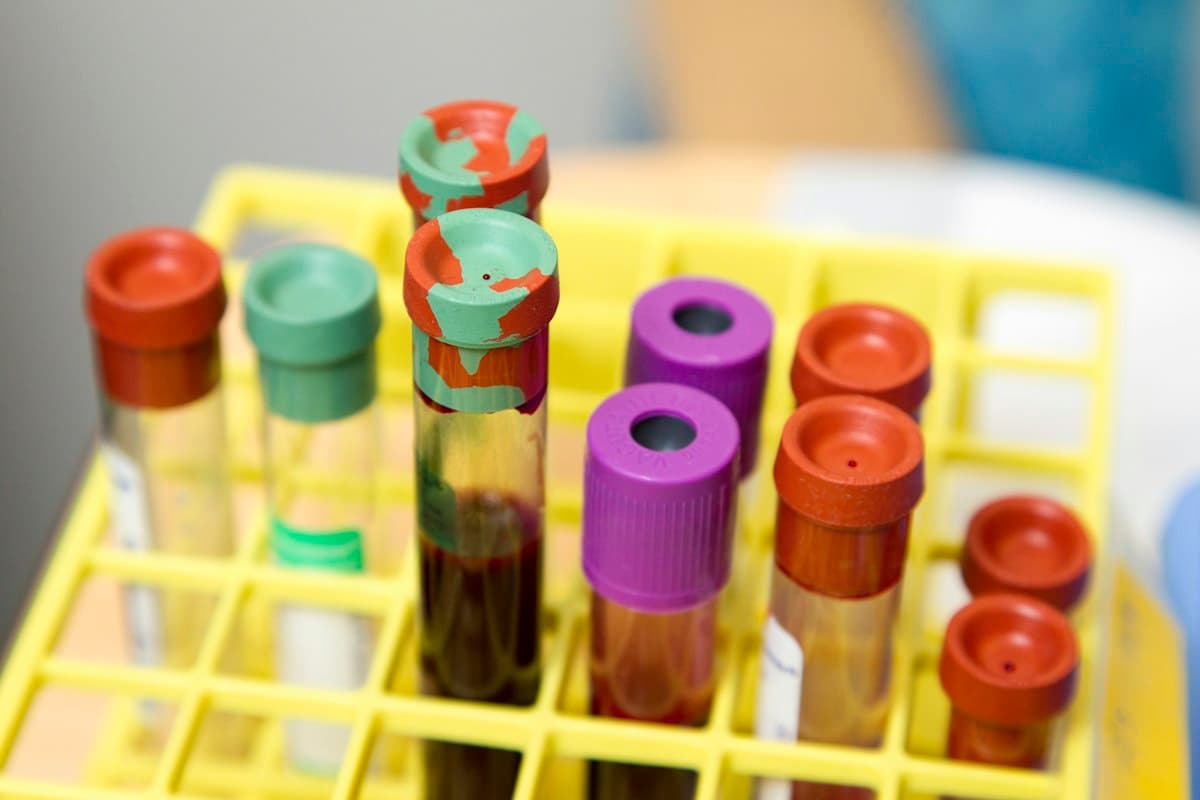
Anastrozole for Men: Uses, Side Effects and TRT Guidelines
A physician-led look at anastrozole for men: why estradiol rises on TRT, what the Endocrine Society and AUA guidelines say about aromatase inhibitors, the risks of over-suppressing estradiol, and the questions to ask a prescriber.
Read More →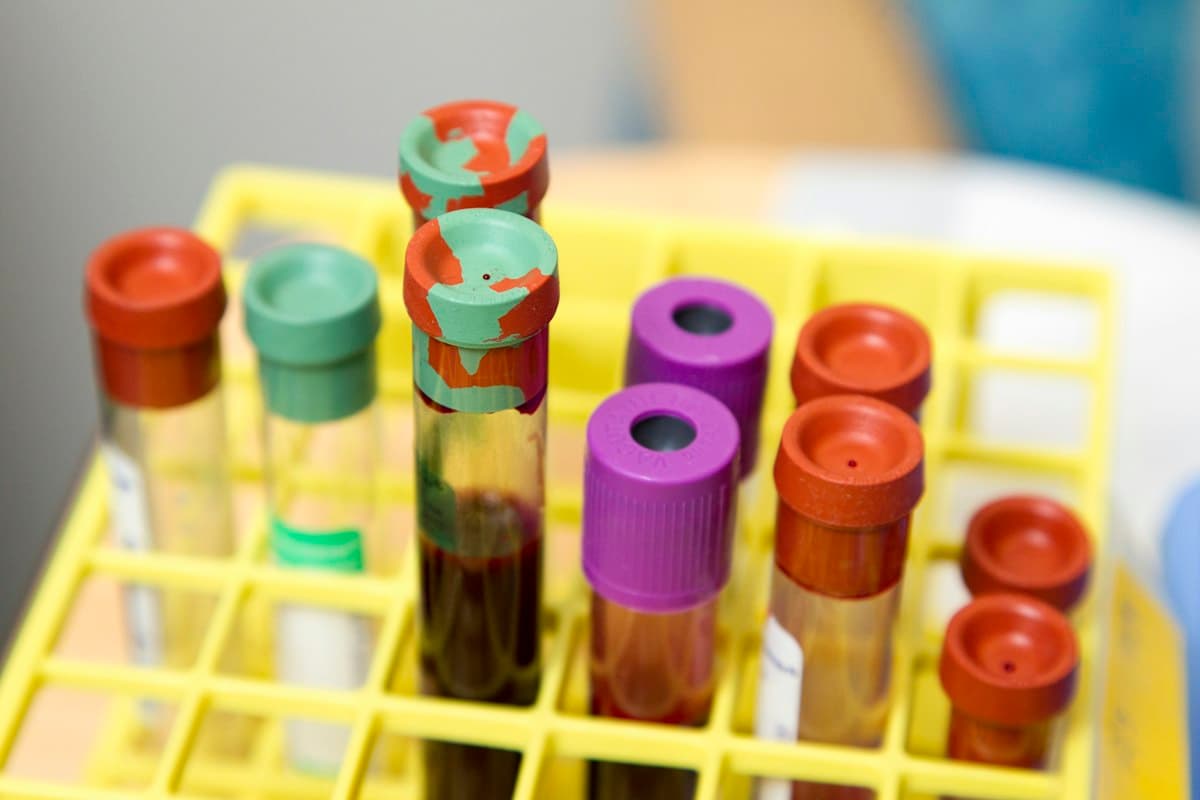
How to Lower Hematocrit on TRT: What Clinicians Actually Do
A physician-led guide to high hematocrit on TRT: why testosterone raises red blood cell counts, the thresholds in the Endocrine Society guideline, what prescribers change, and which home remedies lack evidence.
Read More →
Peptides for Muscle Growth: What the Human Evidence Shows
A physician-led look at peptides for muscle growth: which peptides are marketed for building muscle, what the human trials measured, where the evidence stops, and how safety and FDA status differ by peptide.
Read More →
Estrogen Dominance: Symptoms, Causes, and What Helps
Estrogen dominance is everywhere online and nowhere in a diagnostic manual. Here is the part the evidence supports, the part it doesn't, what testing can and can't show, and what a clinician actually does about it.
Read More →
No Morning Wood: What It Means and When It Is Worth Investigating
Occasional is normal. A sustained change is a signal — here is what it usually points to and what a proper workup looks like.
Read More →
BHRT: What Bioidentical Hormone Replacement Therapy Actually Is
What bioidentical actually means, which forms are FDA-approved, and the compounding distinction that most BHRT marketing leaves out.
Read More →
Copper Peptides: Serum, Injection, and Why They Are Not the Same Thing
What copper peptides actually do, whether the serum is worth it, and the difference between topical and prescription GHK-Cu that almost nobody explains.
Read More →
Lipotropic Injections: What They Are and What the Evidence Shows
What is actually in a lipotropic shot, what the ingredients do, and an honest read on whether they help you lose weight.
Read More →
Men's Health Clinic Near Me: What a Westchester Clinic Should Cover
Search "men's health clinic near me" in Westchester and most results sell one thing: testosterone. A real men's health clinic covers six areas that overlap far more than most men expect. Here's what each one involves, how the options compare, and what to ask before you book.
Read More →
Glutathione Dosage: How Much Is Actually Used, by Route
What the published research actually used, broken out by route of administration — and why a clinician sets the number rather than a label.
Read More →
Low Testosterone in Women: Symptoms, Causes and How It Is Tested
Testosterone is usually filed under men, which is why low testosterone in women is missed for years. It rarely arrives as one dramatic symptom. It arrives as a libido that has gone quiet, energy that never fully returns, and strength that slips despite training. Here is what it looks like, what causes it, and how it is tested properly.
Read More →
Does PRP Work for Knee Arthritis? What the Research Actually Says
Knee osteoarthritis is the most studied use of platelet-rich plasma — and the evidence is genuinely good in some situations and genuinely weak in others. Here is the honest version, including who should not bother.
Read More →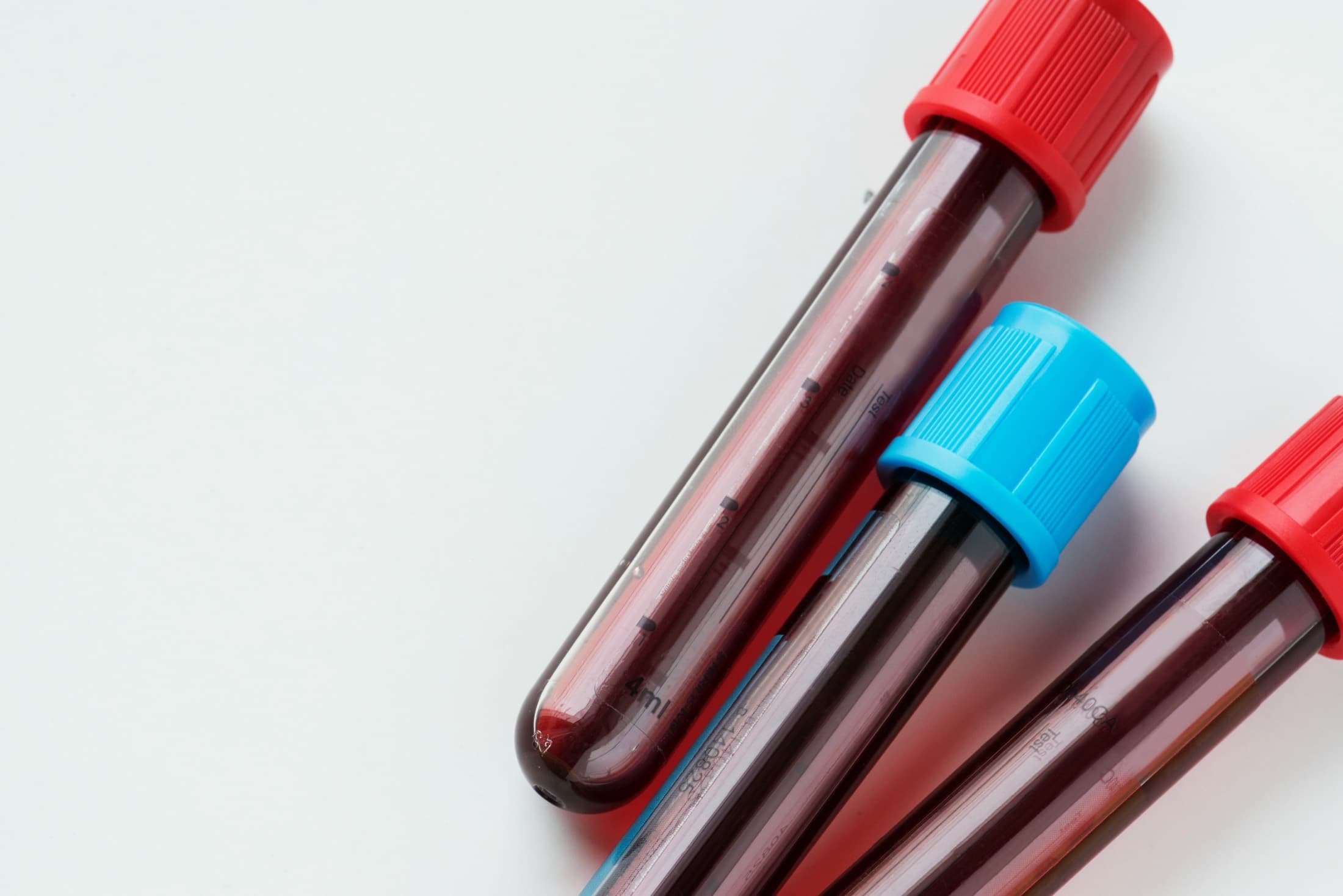
PRP vs Cortisone: Which Injection Is Right for Your Joint Pain?
They are not competing versions of the same thing. Cortisone suppresses inflammation; PRP tries to stimulate repair. Which one you want depends on whether your problem is acute or chronic — and how many times you have already had a steroid shot.
Read More →Ready to build a plan around your biology?
Talk with Protocol Health about labs, symptoms, and treatment options that fit your goals.
Request a Consultation