
Medical Weight Loss
Weight Loss
Medical Weight Loss Program in Scarsdale, NY
Protocol Health runs a physician-led medical weight loss program at our Scarsdale, NY clinic: an evaluation, labs and a body composition scan on site, a GLP-1 medication when appropriate, nutrition and movement coaching, and a plan for keeping the weight off.
Consultation $249, or $349 with blood work.
Compounded semaglutide and tirzepatide are not FDA-approved, are not the same as the brand-name products, and were not studied in the brand trials. Your provider discusses which formulation fits you.
Medically reviewed by Richard Dentico, MD, Medical Director
★ 5.0 on Google · 107 reviews (as of October 2026) · Physician-led, family-owned
Our Scarsdale clinic serves Westchester County (medical weight loss in Westchester). Telehealth in NY, NJ, CT, FL and CA.
Book Now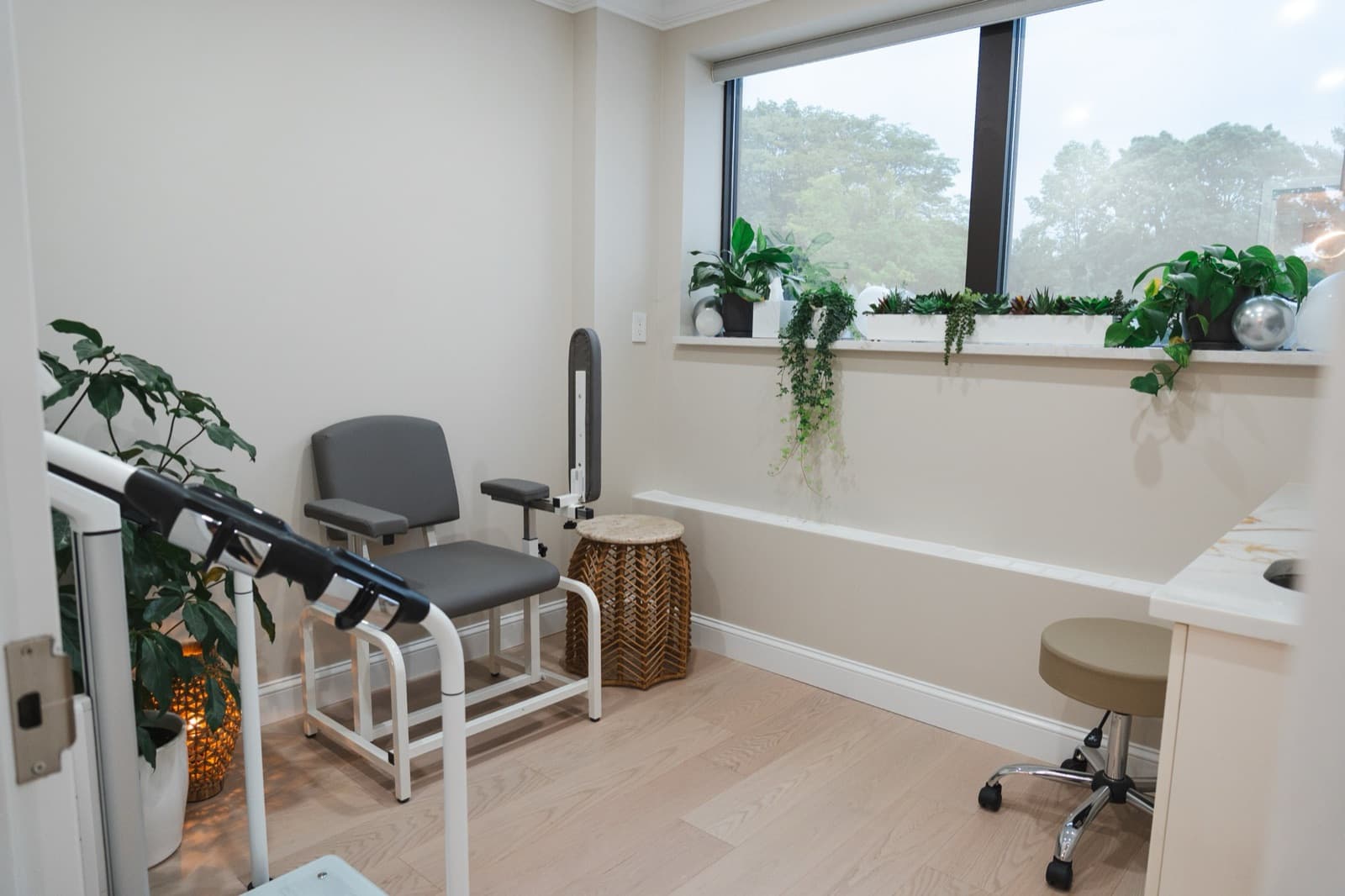
Medical Weight Loss at Protocol Health
Before you book
What is medical weight loss?
Medical weight loss means a licensed provider evaluates you, decides whether prescription treatment is appropriate, and manages it over months rather than handing over a diet sheet. If diets have worked for a while and then stalled, the cause is rarely effort. Appetite hormones, insulin resistance, thyroid function, medications and past dieting all shape how the body holds weight, and a program built on labs is how those get found.
Who is the program for?
Candidacy is decided by a provider. The FDA-approved weight-management GLP-1 medications are labeled for adults with a BMI of 30 or higher, or 27 or higher with a weight-related condition, and the program also suits people who want a supervised plan without medication.
- Weight-loss resistance or plateaus despite diet and exercise
- Increased appetite or constant cravings
- Weight-related conditions such as high blood pressure or prediabetes
- People coming off a GLP-1 who want a plan to hold the result
What medical weight loss can and cannot promise
Results vary widely, and nobody can promise a number. These are the points most programs skip.
Results vary. Trial averages describe groups, not individuals. Some people lose much more, some much less.
Side effects. Nausea, diarrhea, vomiting and constipation are common while doses rise. Pancreatitis and gallbladder problems are rarer but serious.
Who should not take a GLP-1. Anyone with a personal or family history of medullary thyroid carcinoma or MEN 2, or who is pregnant.
Muscle. Some weight lost on a GLP-1 is lean mass. Protein and resistance training protect it, and the SECA scan shows whether they are working.
What the program includes
A metabolic workup. Labs drawn at the Scarsdale clinic look for drivers such as insulin resistance and thyroid problems before a plan is set.
A SECA body composition scan. Fat and lean mass are measured separately, so progress is judged on what you lose, not only on the scale.
Medication when it fits. Semaglutide or tirzepatide, prescribed only when the evaluation supports it and increased gradually with follow-up.
Coaching that sticks. Wellness coaching pairs the medical plan with practical nutrition, protein and strength-training targets that protect muscle.
A maintenance plan. Weight tends to return when GLP-1 medication stops. Staying on, tapering or building habits to hold the result is planned from the start.
How the weight loss program runs in Scarsdale
In the clinic, by telehealth, or a mix of both.
- Intake and consultation. Your history, medications, goals and past attempts, reviewed with a provider.
- Labs and scan. Bloodwork and a SECA body composition scan at the clinic, or labs near home for telehealth patients.
- Your plan. Medication if appropriate, plus nutrition and movement targets.
- Follow-up and maintenance. Dose changes, side-effect management and, later, a plan for keeping the weight off.
Common questions
Medical Weight Loss: frequently asked questions
Is there a medical weight loss clinic near me in Westchester?
Protocol Health's weight loss clinic is at 700 White Plains Rd #30 in Scarsdale, a physician-led program with labs and a body composition scan on site. Patients come from across Westchester County, including Scarsdale, White Plains, Eastchester, New Rochelle and Yonkers, and eligible patients in NY, NJ, CT, FL and CA can be seen by telehealth.
Where is the medical weight loss clinic?
700 White Plains Rd #30, Scarsdale, NY 10583. Eligible patients can also start and continue the program by telehealth in New York, New Jersey, Connecticut, Florida and California.
Do I have to take a GLP-1 medication?
No. Medication is prescribed only when the evaluation supports it. Some patients follow the program with labs, coaching and follow-up alone.
How is this different from a diet program?
A licensed provider evaluates you, orders labs, decides whether prescription treatment is appropriate and monitors you over time. A diet program does none of that.
What happens when I reach my goal weight?
That starts the maintenance conversation: staying on a medication, tapering deliberately or building the habits that hold more of the result. It is planned from the start.
Does insurance cover medical weight loss?
Protocol Health is a direct-care practice. We can provide documentation you may submit for eligible out-of-network benefits, and HSA and FSA cards are accepted for eligible services.
Can I do the program by telehealth?
Yes, if you are eligible. Many patients start with a visit in Scarsdale and continue by video.
Get started
Find out why the weight is not moving
Start with the short intake. Your provider reviews your history and labs before recommending a plan.
Schedule Your Assessment
Contact Us
Book Your Appointment Today
Fill out the form below to schedule your visit with our expert team.