
The Basics
What Is PRP Therapy? The Basics
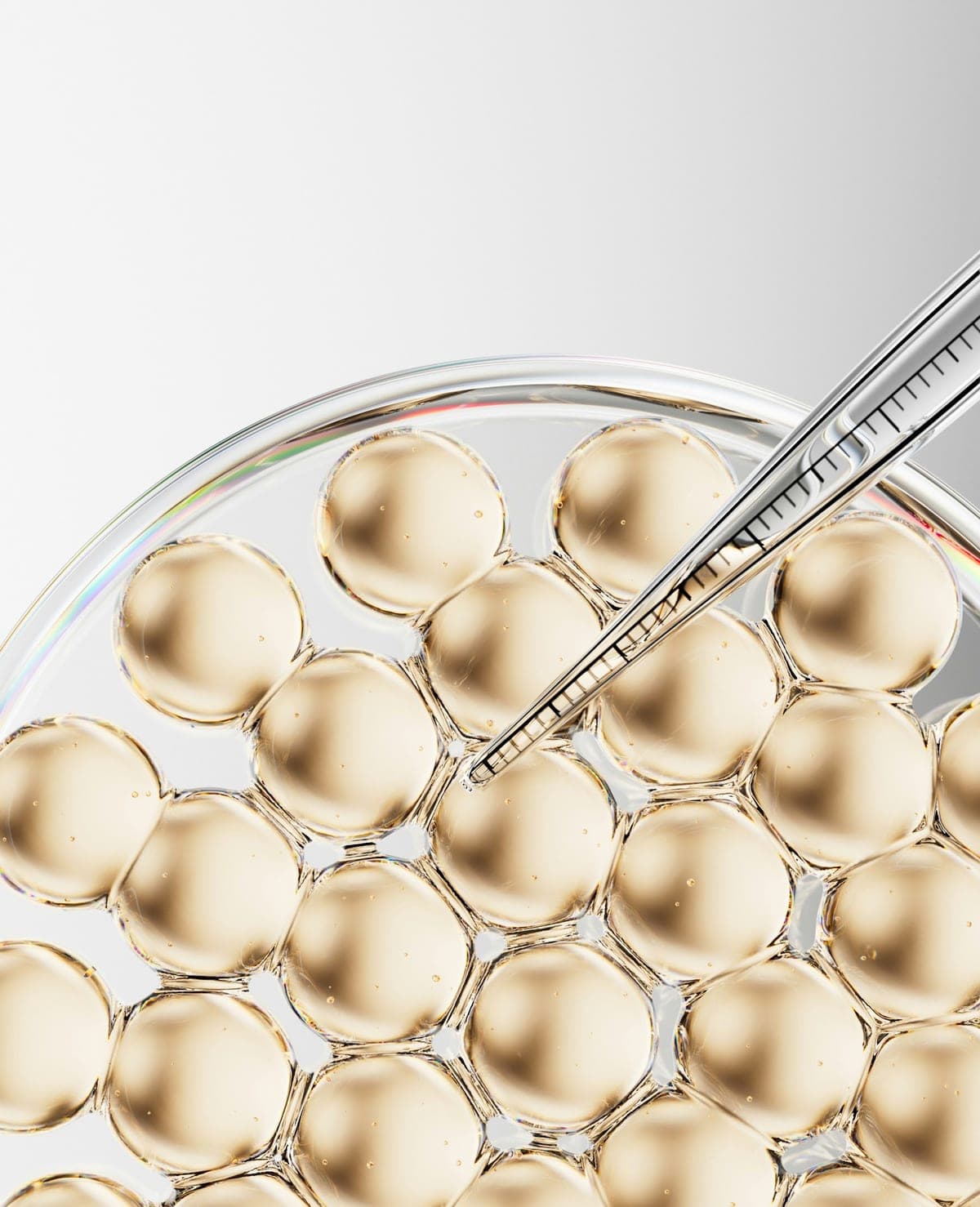
PRP therapy, short for platelet-rich plasma, is a regenerative treatment that concentrates the healing components of your own blood and delivers them to an area that may benefit from support. A small blood sample is drawn, spun in a centrifuge to isolate a platelet-rich layer, and then injected into a targeted site such as a joint, tendon, the scalp, or the skin.
Platelets are best known for clotting, but they also carry a rich payload of growth factors and signaling proteins. Concentrating them is intended to support the body's natural repair processes in tissues that tend to heal slowly on their own.
At Protocol Health, PRP is performed in person at our Scarsdale, NY clinic, and every injection is planned and performed by Richard Dentico, MD, a board-certified physiatrist. The centrifuge systems used to prepare PRP are FDA-cleared devices, but injecting PRP into joints, tendons, the scalp or skin is an off-label use. PRP sits within our broader regenerative and longevity philosophy: using your own biology, guided by clinical expertise, to help you feel and function your best.
Explore PRP Therapy at Protocol HealthHow It Works
How Does PRP Therapy Work?
PRP therapy works by concentrating the platelets from your own blood and injecting them where their growth factors may support the body's repair processes. The process begins like a routine blood draw. That sample is placed in a centrifuge, which separates blood into layers by density and isolates the platelet-rich plasma from red blood cells and other components.
This concentrated plasma is then injected into the treatment area, often with ultrasound or anatomical guidance for precision. The growth factors it contains, including PDGF, VEGF, and TGF-beta, are signaling molecules your body already uses to recruit repair cells and support new tissue and blood-vessel formation.
PRP is not an instant fix. It is intended to prompt your body's own regenerative processes over the following weeks. Many protocols involve a short series of sessions spaced apart, with any benefits tending to build gradually rather than appearing overnight.
What It Helps
What Can PRP Therapy Be Used For?
PRP therapy can be used for joints, tendons, hair, skin and sexual wellness, and that versatility is part of its appeal. In musculoskeletal care it is often explored for osteoarthritis, tendon injuries, and joint pain as part of a broader pain and injury recovery plan, sometimes alongside modalities such as shockwave therapy.
In aesthetics, PRP is used for hair restoration, where it may support fuller-looking growth in thinning areas, and for skin rejuvenation, where it is sometimes combined with microneedling to help improve tone and texture.
PRP is also used off-label for sexual wellness, as the P-Shot for men and the O-Shot for women, where the evidence is limited and mixed.
Because outcomes depend heavily on the condition, the tissue, and the individual, our physicians match PRP to the right candidate rather than treating it as a one-size-fits-all solution.
The evidence
What does the research say about PRP therapy?
PRP therapy has its strongest evidence in joints and tendons, and the evidence differs by area. Treating it as one treatment with one success rate is the most common mistake in how it is marketed.
Knee osteoarthritis
A 2023 meta-analysis of 42 randomized trials in 3,696 patients with knee osteoarthritis found PRP gave greater pain relief than both hyaluronic acid and corticosteroid injections, with the largest difference versus corticosteroid around six months and effects lasting up to 12 months (Khalid et al., 2023). Our guide does PRP work for knee arthritis? covers who benefits most.
Tennis elbow
For tennis elbow (lateral epicondylitis), a 2024 meta-analysis of 11 randomized trials with 730 patients found corticosteroid gave better results in the first two months, while PRP gave better pain relief and function from six months on (Xu et al., 2024). That timing trade-off is explained in PRP vs cortisone.
Hair loss
For hair loss, a 2023 meta-analysis of 27 controlled trials found that, in the trials comparing PRP with saline injections, PRP increased hair density in pattern hair loss, but rated that evidence low quality (Cruciani et al., 2023). See PRP for hair loss for what to expect.
For skin rejuvenation and for the sexual-wellness uses, the controlled evidence is thinner still, so PRP for those goals should be treated as experimental.
Am I a Candidate?
Who Is a Good Candidate for PRP?
Good candidates are often active adults with a localized concern, such as a nagging tendon injury, early joint wear, thinning hair, or an interest in natural-looking skin renewal, who prefer to work with their own biology before considering more invasive options.
Candidacy is individualized. Certain conditions, medications that affect platelets, active infections, or specific blood disorders can make PRP less suitable, which is why a thorough consultation and, when appropriate, lab work come first.
The best way to know is a conversation with a clinician. Our team reviews your history, goals, and relevant labs to determine whether PRP, another regenerative option, or a combined approach makes the most sense for you.
Safety & Side Effects
Is PRP Therapy Safe? What Are the Side Effects?
The main safety point for PRP therapy is that it comes from your own blood, and its side effects are usually mild, temporary and localized. Because PRP is prepared from your own blood, the risk of allergic reaction or rejection is very low. Serious complications are uncommon when it is performed by trained clinicians using sterile technique; in the 2023 hair-loss meta-analysis, no serious adverse events were linked to PRP.
The most common side effects are temporary and localized: soreness, swelling, bruising, or mild tenderness at the injection site for a few days. Some patients notice a brief increase in symptoms before improvement, reflecting the natural inflammatory phase of healing.
As with any injection, there is a small risk of infection or bleeding, which careful technique helps minimize. PRP is not a cure and is not right for everyone. Treatment at Protocol Health is always physician-supervised and tailored to your individual health picture. This guide is educational and not a substitute for personalized medical advice.
Your Visit
What Should I Expect at a PRP Appointment?
At a PRP appointment, expect a straightforward visit: a blood draw, processing in the centrifuge, and the injection, usually in under an hour. After a brief check-in, a clinician draws a small blood sample and processes it in the centrifuge, usually within the same appointment.
The treatment area may be numbed for comfort, and the prepared PRP is injected with care and precision. Most sessions take under an hour, and many patients return to light daily activity soon after, following any guidance your provider gives.
Because PRP works gradually, we often plan a short series and follow up to track your response. Any change tends to build over weeks to months, and we adjust the plan based on how you progress.
The Protocol Health Difference
Why Choose Protocol Health for PRP?
Patients choose Protocol Health for PRP because the treatment is only as good as the hands and judgment behind it. At Protocol Health, PRP is delivered by a real, physician-led clinical team that treats it as one tool within a personalized, lab-informed plan, not a standalone gimmick.
We start with your goals and your data. That means honest conversations about whether PRP is right for you, how it fits alongside options like regenerative consultations, hormone optimization, or longevity screening, and what realistic outcomes look like.
PRP is performed at our Scarsdale clinic; the first consultation can often start by telehealth for patients in NY, NJ, CT, FL and CA. PRP therapy is best supported for knee osteoarthritis and chronic tennis elbow, less certain for hair, and least proven for skin and sexual wellness. A good clinic tells you which of those categories your problem falls in before you book a series, and that is where the Protocol Health PRP consultation starts.
FAQ
Frequently Asked Questions
What is a PRP injection used for?
A PRP injection is most often used for knee osteoarthritis, chronic tendon problems such as tennis elbow, and thinning hair, and sometimes for skin rejuvenation. Evidence is strongest for knee arthritis and tennis elbow, where trials show benefits that last six months or longer. A physician exam decides whether your problem is one PRP is likely to help.
How long does it take to see results from PRP therapy?
PRP works gradually rather than instantly. In the knee osteoarthritis meta-analysis, the gap between PRP and cortisone was largest at around six months. In the tennis elbow trials, cortisone gave better results in the first two months and PRP did better from six months on. Responses vary by individual and by the area being treated.
How many PRP sessions will I need?
It depends on the condition and how you respond. Many protocols involve a short series of sessions spaced several weeks apart, sometimes followed by periodic maintenance. Your provider will recommend an individualized plan based on your goals, the tissue involved, and your progress.
Is PRP therapy painful?
Most patients tolerate PRP well. The blood draw feels like a routine lab test, and the treatment area can be numbed for comfort. Some soreness, swelling, or bruising at the injection site for a few days afterward is normal and typically resolves on its own.
Is PRP the same as stem cell therapy?
No. PRP concentrates the platelets and growth factors from your own blood, while stem cell therapy uses a different cell population. PRP is a distinct regenerative approach, and a clinician can explain which options, if any, may suit your situation during a consultation.
Does PRP work for hair loss?
Research suggests PRP may support hair density in some people with thinning hair, particularly when started earlier and used consistently. It is not a guaranteed solution and outcomes vary. A provider can assess whether your type of hair loss is likely to respond.
Is PRP available through telehealth?
PRP itself is an in-office procedure because it requires a blood draw and injection, so it is performed at our Scarsdale clinic. However, your initial consultation and follow-up planning can often begin via telehealth for patients across NY, NJ, CT, FL, and CA.
Explore
Related at Protocol Health
Explore PRP Therapy at Protocol HealthThis article is educational and is not medical advice. It does not diagnose, prevent, treat or cure any condition. Talk with a licensed clinician about your own situation.