


Rediscover your inner strength and energy with our expert-backed wellness approach. Whether you’re feeling drained, stressed, or out of balance, we’re here to help you recharge. Experience renewed focus, better health, and a more vibrant lifestyle.
Health optimization is the proactive approach to achieving your peak physical, mental, and emotional well-being. It’s about going beyond the absence of illness to reach a state where you feel your best every day. At Protocol Health, we specialize in integrative wellness solutions, including hormone replacement therapy, weight loss injections, vitamin infusions, and regenerative medicine, to help you achieve this optimal state of health.
What Causes Suboptimal Health?
Several factors can contribute to suboptimal health, including:

Adrenal fatigue is a condition that has gained attention in recent years due to its impact on overall well-being. At Protocol Health, we are dedicated to providing personalized care and holistic wellness solutions, and understanding adrenal fatigue is a crucial part of that mission. In this comprehensive guide, we’ll explore what adrenal fatigue is, its causes, symptoms, and the best treatment options available. We’ll also discuss what you can try at home before seeking professional help and outline our process for treating this condition.
What is Adrenal Fatigue?
Adrenal fatigue can leave you feeling constantly tired, stressed, and burnt out. Our protocol is designed to support adrenal function through targeted nutrition, lifestyle adjustments, and supplement therapy.
While adrenal fatigue is not officially recognized as a medical diagnosis, it is a term frequently used in holistic and integrative medicine to describe a state of adrenal insufficiency that falls below the threshold of Addison’s disease, a recognized adrenal disorder.

Erectile Dysfunction (ED) is a condition that affects millions of men worldwide, causing significant emotional and physical distress. At Protocol Health, we are committed to providing personalized medical care and wellness solutions to help individuals manage and overcome this condition. In this comprehensive guide, we will explore the various aspects of Erectile Dysfunction, including its causes, symptoms, home remedies, and treatment options. Our goal is to empower you with the knowledge and resources needed to take control of your health.
What is Erectile Dysfunction?
Erectile Dysfunction, commonly referred to as ED, is the inability to achieve or maintain an erection sufficient for satisfactory sexual performance. This condition can be a temporary issue or a chronic problem, and it can affect men of all ages, although it is more common in older adults. ED can have a profound impact on a man’s self-esteem, relationships, and overall quality of life.
Hair loss is a condition that affects millions of people worldwide, causing not only physical changes but also emotional distress. At Protocol Health, we understand the impact hair loss can have on your life and are committed to providing comprehensive, personalized solutions to help you regain your confidence.
What is Hair Loss?
Hair loss, or alopecia, is the partial or complete absence of hair from areas of the body where it normally grows. It can affect the scalp, eyebrows, eyelashes, and other parts of the body. Hair loss can be temporary or permanent, depending on the underlying cause.
Hair loss can be caused by a variety of factors, including:
Sexual dysfunction is a common issue that affects many individuals across different age groups, impacting their quality of life and relationships. At Protocol Health, we understand the importance of addressing this sensitive topic with a comprehensive, patient-centered approach. This article aims to provide a detailed overview of sexual dysfunction, its causes, symptoms, and treatment options, ensuring you have the information needed to seek appropriate care.
What is Sexual Dysfunction?
Stress and overwhelm are common conditions that can affect anyone, regardless of age, gender, or background. Stress is the body’s natural response to challenging or demanding situations, triggering a cascade of physical and emotional reactions. Overwhelm, on the other hand, occurs when stress becomes so intense that it feels unmanageable, leading to feelings of being overloaded and unable to cope.
At Protocol Health, we recognize that stress and overwhelm can significantly impact your overall well-being. Our patient-centered approach integrates modern medical practices with holistic health strategies to help you manage these conditions effectively.
Several factors can contribute to stress and overwhelm, including:

Weight gain is a common concern that affects individuals of all ages and backgrounds. Whether it’s a gradual increase over time or a sudden spike, understanding the factors that contribute to weight gain and how to address them is crucial for maintaining overall health and well-being. At Protocol Health, we are dedicated to providing personalized medical care and wellness solutions to help you manage your weight effectively.
What is Weight Gain?
Weight gain refers to an increase in body weight, which can result from the accumulation of body fat, muscle mass, or fluid. While weight gain is often perceived negatively, it is essential to recognize that it can be a natural part of growth and development, especially during childhood, adolescence, and pregnancy. However, unintentional or excessive weight gain can lead to various health issues, including obesity, diabetes, and cardiovascular diseases.


Irritable Bowel Syndrome, commonly known as IBS, is a chronic gastrointestinal disorder that affects the large intestine. It is characterized by a group of symptoms that often occur together, including abdominal pain, bloating, and changes in bowel habits. IBS is a functional gastrointestinal disorder, meaning that it affects how the gut functions without causing any visible damage to the digestive tract.
While IBS can cause significant discomfort, it does not lead to more serious conditions like cancer.
What Causes Irritable Bowel Syndrome (IBS)?
Low libido, or reduced sexual desire, is a common condition that affects both men and women. It can be a temporary issue or a persistent problem that significantly impacts an individual’s quality of life and intimate relationships. At Protocol Health, we understand the complexities surrounding low libido and offer tailored solutions to help you regain your sexual health and overall well-being.
What Causes Low Libido?

Menopause is a natural biological process that marks the end of a woman’s menstrual cycles. Typically occurring between the ages of 45 and 55, menopause is diagnosed after 12 consecutive months without a menstrual period. While menopause is a natural part of aging, it can bring about a range of physical and emotional changes that can impact a woman’s quality of life.
What Causes Menopause?
Menopause is primarily caused by the decline in reproductive hormones, particularly estrogen and progesterone, produced by the ovaries. As women age, their ovaries gradually produce less of these hormones, leading to the cessation of ovulation and menstruation. Other factors that can induce menopause include:
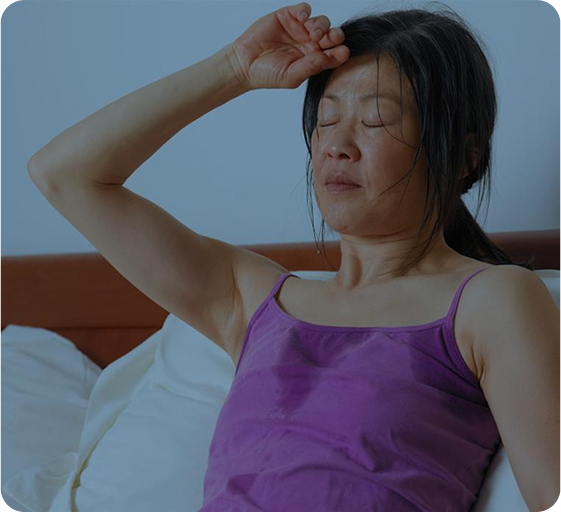
What Causes Perimenopause?
Perimenopause is a natural biological process primarily caused by the gradual decline in ovarian function and estrogen production. As the ovaries age, they become less responsive to the hormones that stimulate them, leading to fluctuations in hormone levels. These hormonal changes are responsible for the wide range of symptoms experienced during perimenopause.
The symptoms of perimenopause can vary widely among women, both in type and severity. Common symptoms include:
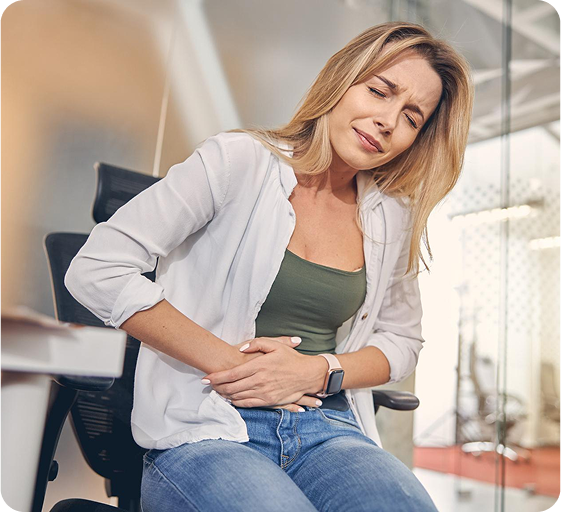
Andropause, often referred to as male menopause, is a condition that affects aging men, typically those over the age of 40. It is characterized by a gradual decline in testosterone levels, leading to a variety of physical, emotional, and psychological changes. Unlike menopause in women, which occurs relatively quickly, andropause progresses slowly and can have varying degrees of impact on different individuals.
What Causes Andropause?
The primary cause of andropause is the natural decrease in testosterone production as men age. Testosterone is a crucial hormone responsible for maintaining muscle mass, bone density, fat distribution, red blood cell production, and sexual function. Other contributing factors include:

Longevity is a topic that has intrigued humanity for centuries. With advances in medical science and a deeper understanding of holistic health, achieving a longer, healthier life is becoming more attainable. At Protocol Health, we are dedicated to helping our patients navigate the complexities of aging gracefully and healthily. This comprehensive guide will delve into the causes, symptoms, and treatments related to longevity, providing you with actionable insights to enhance your life.
What is Longevity?
Longevity refers to the length of time that an individual lives, particularly when they live longer than the average lifespan. It is not just about adding years to life but also about enhancing the quality of those years. Longevity encompasses physical health, mental well-being, and emotional stability, aiming for a balanced and fulfilling life.
Several factors contribute to longevity, including:

What Causes Thyroid Dysfunction?
Thyroid dysfunction can be triggered by various factors, each leading to different types of thyroid conditions. Here are some common causes:
Autoimmune Diseases

What Causes Hashimoto’s Disease?
The exact cause of Hashimoto’s disease remains unknown, but several factors are believed to contribute to its development:

Welcome to Protocol Health, where we prioritize your well-being through a blend of medical expertise and compassionate care. Today, we’re diving into a condition that affects many but is often misunderstood—thyroiditis. This comprehensive guide will help you understand thyroiditis, its causes, symptoms, and how you can seek help through our integrative wellness clinic.
Types of Thyroiditis
Thyroiditis can manifest in various forms, each with unique characteristics:

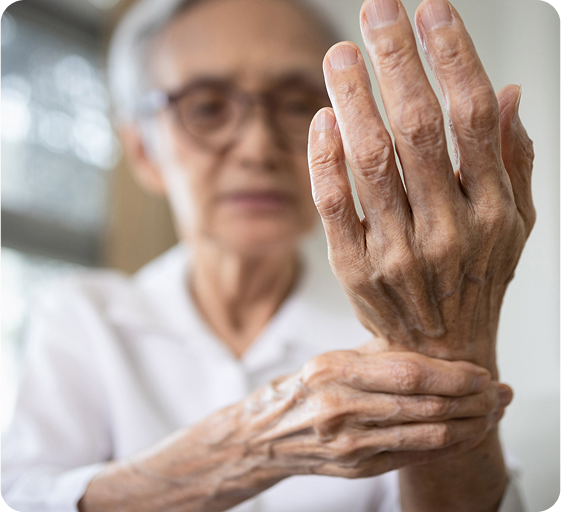
Joint pain is a common condition that affects millions of people worldwide. It refers to discomfort, aches, and soreness in any of the body’s joints. It can be a debilitating issue, impacting your ability to perform daily activities and significantly reducing your quality of life. Joint pain can be acute, lasting a few weeks, or chronic, persisting for months or even years. At Protocol Health, we understand the complexities of joint pain and are dedicated to providing personalized care and effective treatment options to help you manage this condition.
What Causes Joint Pain?
Joint pain can be caused by a variety of factors, ranging from injuries to chronic diseases. Some common causes include: