


Understanding Menopause

What Is Menopause?

Menopause is a natural biological process that marks the end of a woman’s menstrual cycles. Typically occurring between the ages of 45 and 55, menopause is diagnosed after 12 consecutive months without a menstrual period. While menopause is a natural part of aging, it can bring about a range of physical and emotional changes that can impact a woman’s quality of life.
What Causes Menopause?

Menopause is primarily caused by the decline in reproductive hormones, particularly estrogen and progesterone, produced by the ovaries. As women age, their ovaries gradually produce less of these hormones, leading to the cessation of ovulation and menstruation. Other factors that can induce menopause include:
  • Surgical Removal of Ovaries: Procedures such as a hysterectomy (removal of the uterus) or oophorectomy (removal of the ovaries) can trigger immediate menopause.
  • Chemotherapy and Radiation Therapy: Cancer treatments can damage the ovaries, leading to early menopause.
  • Primary Ovarian Insufficiency: This condition occurs when the ovaries stop functioning normally before the age of 40, often due to genetic factors or autoimmune diseases.

What Symptoms Will I Experience with Menopause?

The symptoms of menopause can vary widely among women, both in type and severity. Common symptoms include:

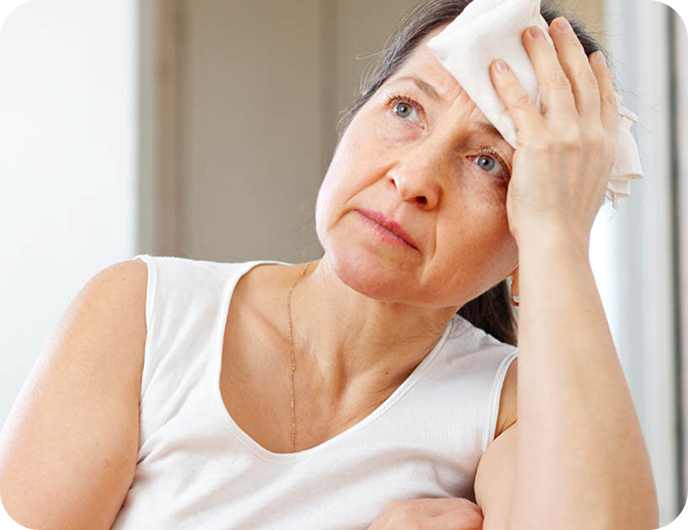
  • Hot Flashes and Night Sweats: Sudden feelings of warmth, often accompanied by sweating and a red, flushed face.
  • Irregular Periods: Changes in menstrual cycle patterns, including lighter or heavier bleeding.
  • Vaginal Dryness: Reduced moisture and elasticity in the vaginal tissues, leading to discomfort during intercourse.
  • Sleep Disturbances: Difficulty falling or staying asleep, often due to night sweats.
  • Mood Changes: Increased irritability, anxiety, or depression.
  • Weight Gain and Slowed Metabolism: Changes in body composition and increased abdominal fat.
  • Thinning Hair and Dry Skin: Changes in hair texture and skin elasticity.

What Should I Try at Home Before Seeing a Provider for Menopause?

Before seeking professional medical advice, there are several home remedies and lifestyle changes that can help manage menopause symptoms:

  • Healthy Diet: Incorporate a balanced diet rich in fruits, vegetables, whole grains, and lean proteins to support overall health.
  • Regular Exercise: Engage in physical activities like walking, swimming, or yoga to improve mood, sleep, and cardiovascular health.
  • Hydration: Drink plenty of water to help manage hot flashes and maintain skin hydration.
  • Stress Management: Practice relaxation techniques such as meditation, deep breathing exercises, or mindfulness to reduce stress and anxiety.
  • Sleep Hygiene: Establish a regular sleep routine, create a comfortable sleep environment, and avoid caffeine and electronic devices before bedtime.
  • Natural Supplements: Consider supplements such as black cohosh, red clover, or flaxseed, which may help alleviate symptoms. Consult with a healthcare provider before starting any new supplement.

Best Treatment Options for Menopause

When lifestyle changes are not enough to manage menopause symptoms, various treatment options are available:


  • Hormone Replacement Therapy (HRT): HRT involves taking estrogen and progesterone to relieve symptoms and prevent bone loss. It is available in various forms, including pills, patches, gels, and creams.
  • Non-Hormonal Medications: Antidepressants, anti-seizure medications, and blood pressure drugs can help manage hot flashes and mood changes.
  • Vaginal Estrogen: This treatment involves applying estrogen directly to the vaginal area to relieve dryness and discomfort.
  • Bone Health Medications: Bisphosphonates and selective estrogen receptor modulators (SERMs) can help prevent osteoporosis.
  • Cognitive Behavioral Therapy (CBT): CBT can be effective in managing mood swings, anxiety, and depression associated with menopause.

Our Process for Treating Menopause?

At Protocol Health, we understand that every woman’s experience with menopause is unique. Our patient-centered approach ensures that you receive personalized care tailored to your specific needs. Here’s how we support you through menopause:

  • Comprehensive Assessment: We begin with a thorough evaluation of your symptoms, medical history, and lifestyle factors. This helps us understand your unique situation and develop a customized treatment plan.
  • Personalized Health Plan: Based on the assessment, we create a tailored health plan that may include lifestyle recommendations, dietary changes, and natural supplements to manage symptoms.
  • Telemedicine Consultations: Our convenient telemedicine consultations allow you to discuss your symptoms and progress with our healthcare providers from the comfort of your home. We offer flexible scheduling to accommodate your busy life.
  • Holistic Approach: We integrate modern medical practices with holistic health strategies to provide comprehensive care. This may include hormone replacement therapy, non-hormonal medications, and complementary therapies such as acupuncture or herbal remedies.
  • Ongoing Support: Menopause is a journey, and we’re here to support you every step of the way. Our team provides continuous monitoring and adjustments to your treatment plan as needed to ensure optimal results.
  • Patient Empowerment: We believe in empowering our patients through education and collaboration. We provide resources and information to help you make informed decisions about your health and well-being.

At Protocol Health, we are committed to enhancing your quality of life during menopause. Our integrated approach combines the best of modern medicine and holistic wellness to help you navigate this transition with confidence and ease. For more information on our services and how we can support you through menopause, explore our website and discover the personalized care that Protocol Health offers.